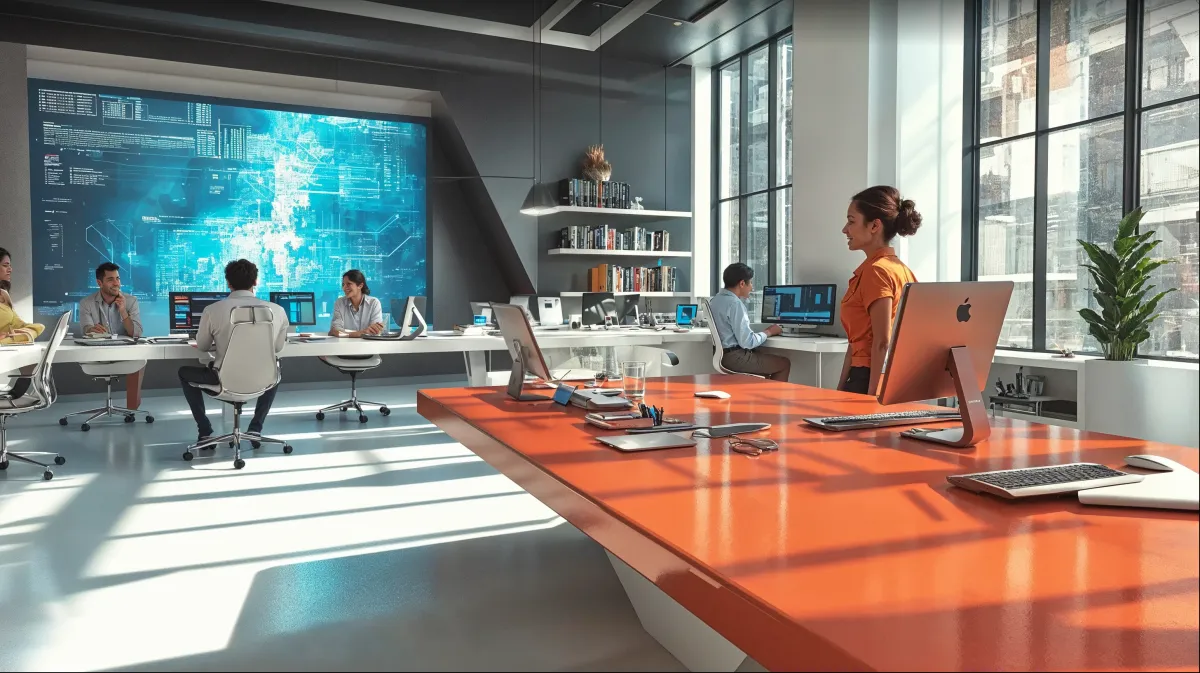
Web design in 2026 continues to evolve rapidly, integrating new technologies and user
expectations into every aspect of the digital experience. One dominant trend is the rise
of responsive, mobile-first design, which ensures that websites perform seamlessly
across smartphones, tablets, and desktops. With the majority of users accessing content
on mobile devices, businesses must prioritize layouts, navigation, and media that scale
appropriately while preserving usability.
Another significant trend is the
use of immersive visuals and micro-interactions. Animated elements, parallax scrolling,
and subtle visual cues guide users through content while making navigation intuitive.
These features are effective when thoughtfully applied and balanced with page loading
speed. Slow sites can deter visitors, so performance optimization remains a cornerstone
of excellent web design.
Accessibility also takes on an expanded role. The
best sites offer clear text, high contrast, and easy navigation for all users,
regardless of ability. Complying with accessibility standards not only expands your
reach but also reinforces an inclusive brand identity.
Minimalism and clarity dominate modern web design aesthetics. Focused content blocks,
generous white space, and streamlined menus help visitors find what they need with less
effort. Use engaging typography and bold visuals to create memorable first impressions
that support your brand identity without overwhelming the site visitors.
Personalization
is increasingly prevalent, using modular layouts and AI-driven content recommendations
to tailor experiences for each user. These features provide relevant information
promptly, encouraging deeper engagement. However, it’s crucial to handle user data
responsibly and transparently, ensuring compliance with South African privacy standards
and fostering trust.
With digital commerce on the rise, integrating secure
payment systems and intuitive shopping interfaces is more important than ever. A
frictionless checkout process enhances user satisfaction and supports positive business
outcomes. Results may vary based on each website’s audience, sector, and goals, so
ongoing optimization is essential for continued growth.
Finally, web design strategies in 2026 encourage brands to stay agile. Regular updates,
trend monitoring, and the adoption of cutting-edge features keep sites fresh and
appealing. Continuous feedback loops, including user surveys and analytics, provide
valuable data for improvements.
Prioritize a user-centric approach and
maintain consistency in branding, usability, and security practices. Whether launching a
new site or optimizing an existing one, focusing on these web design elements helps your
business create meaningful digital experiences that inspire engagement and loyalty.